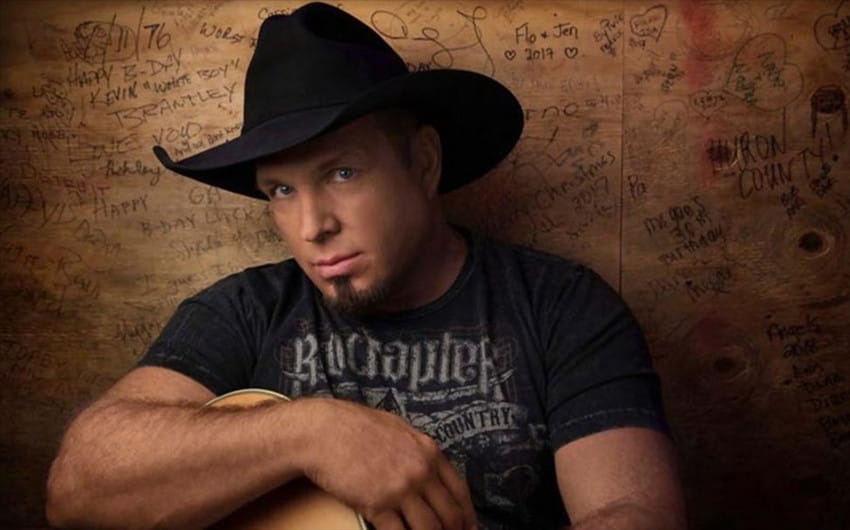
Garth Brooks Net Worth in 2026: Touring Fortune, Music Royalties, and Business Income
Garth Brooks net worth is a constant conversation because he doesn’t just sell music—he sells stadiums, year after year, and does it with a business strategy that keeps him in control. The quick answer is that his fortune is enormous and still growing, largely driven by touring, catalog royalties, and smart deal-making. The details get even more interesting when you look at how he earns, what he owns, and why his career cash flow stays unusually strong.
Quick Facts
- Full name: Troyal Garth Brooks
- Age: 63 (born February 7, 1962)
- Height: About 6’1″ (around 185 cm)
- Profession: Singer, songwriter, performer, entrepreneur
- Estimated net worth: $400 million (estimated)
- Genres: Country, country pop
- Known for: Record-breaking touring, best-selling albums, stadium shows
- Marital status: Married
- Spouse: Trisha Yearwood
- Children: 3
Garth Brooks bio (short): Garth Brooks is an American country music legend who helped reshape the genre by bringing rock-level energy and arena-scale touring to country crowds. He’s one of the best-selling recording artists of all time, known for massive live shows, a deep catalog of hits, and a business style that emphasizes control over how his music is sold and distributed.
Trisha Yearwood bio (short): Trisha Yearwood is a Grammy-winning country singer, author, and television personality known for her powerhouse vocals and long-running success in music and lifestyle media. Beyond her own hit records, she’s built a strong brand through touring, publishing, and food-and-lifestyle projects, making her a major earner in her own right.
Garth Brooks Net Worth in 2026: The Most Realistic Snapshot
Garth Brooks is often estimated to be worth around $400 million, and that number fits the scale of his career. He’s a rare artist who can generate huge income long after the peak radio years, because his true superpower is live performance demand. When an artist can pack stadiums consistently, the money is not a one-time thing—it becomes a repeatable system.
It also helps that Brooks has built his career with a strong grip on business decisions. He has famously approached music distribution and touring terms in ways that protect long-term value. That combination—stadium-level popularity plus business control—is why his net worth is often discussed alongside the wealthiest musicians in America.
How Garth Brooks Makes Money
Most artists earn from a few obvious lanes: streaming, shows, and merch. Garth Brooks earns from those too, but his career is built around the biggest version of each lane, especially touring. His income streams tend to stack together in a way that makes his annual earning potential unusually high.
1) Stadium and arena touring
Touring is the engine. For superstar performers, live shows can generate the largest income, and Brooks is in the top tier of live draw. What makes his touring especially powerful is that it’s not limited to a few major cities. His tours often include multiple nights in the same market, sold-out runs, and enormous ticket volume.
Touring revenue typically comes from:
- Ticket sales: The core of tour income, especially at stadium scale.
- Promoter guarantees: Upfront money to secure a major act.
- Venue and partner deals: Arrangements that can boost profitability.
- VIP and premium packages: High-margin add-ons in many modern tours.
Of course, tours have major costs—crew, staging, sound, lighting, trucking, travel, security, and insurance. But when you’re consistently selling tens of thousands of seats, the math can still be extraordinary.
2) Music royalties and catalog earnings
Garth Brooks has a catalog that continues to sell and earn. Royalties can come from multiple directions, including streaming plays, radio performance, licensing, and sales. While streaming is now a major part of the music economy, Brooks has historically been selective about how his music appears online, which has kept his catalog positioned as something valuable rather than “everywhere for pennies.”
Catalog income can include:
- Publishing royalties: Money connected to songwriting and composition rights.
- Master recording income: Earnings tied to the recordings themselves.
- Performance royalties: Royalties from radio and public performances.
- Sales revenue: Physical and digital purchases, box sets, and special releases.
For legacy stars, catalog earnings can behave like long-term “evergreen” income. Even when a new album isn’t out, the old hits still keep working.
3) Album sales and physical product power
Brooks is one of the rare artists who remained a powerhouse in the era when physical sales were collapsing for many others. Country audiences have traditionally supported physical albums, box sets, and special editions more strongly than some other genres, and Garth’s fan base is especially loyal. That loyalty turns releases into events, which keeps album-era money meaningful even today.
When an artist’s audience still buys, it changes everything. It means revenue doesn’t rely entirely on streaming rates, and it keeps the catalog feeling premium.
4) Merchandising
Merch is a major piece of the modern touring economy. At stadium shows, merchandise can generate significant revenue because the crowd size is so large. A strong brand, recognizable logo, and tour-specific gear can create a high-volume business at each stop.
Merch also supports the fan experience. People don’t just buy a shirt—they buy a memory of the night. When you’re doing mega shows, that turns into serious money.
5) Media projects and special events
Over time, major artists often expand into special TV events, documentaries, concert films, and high-profile appearances. These projects may not be as constant as touring, but they can add large checks and reinforce the brand between music cycles.
Even when the projects are occasional, they can be very profitable, especially if they include rights deals and long-term licensing value.
Why His Tour Strategy Has Been So Profitable
Garth Brooks became famous for treating the live show like the main product. Plenty of artists tour to promote albums. Brooks tours like the tour is the album. He focuses on reach, scale, and fan satisfaction, which creates a loop: fans trust the show, so they buy tickets quickly, and that demand makes venues and promoters eager to book him again.
He also tends to make decisions that keep the fan base engaged rather than burned out. When fans feel they’re getting a once-in-a-lifetime experience, demand stays high. When demand stays high, the business side becomes stronger with every tour.
What Garth Brooks Likely Owns
Net worth isn’t just “income.” It’s also what someone owns and what those assets are worth over time. While exact details aren’t public in a neat list, celebrities at Brooks’ level typically build wealth through a mix of business holdings and lifestyle assets.
Real estate
High-net-worth entertainers often hold valuable real estate. Property can act as a stable asset over decades, and it can also provide privacy and long-term wealth storage. Even without flashy headlines, real estate is often one of the largest pieces of a celebrity’s wealth.
Business interests and brand-related assets
Artists who run their careers like companies often have stakes in production operations, touring infrastructure, or brand-related ventures. For someone as established as Brooks, the “business behind the business” can be part of the wealth story, even if it isn’t discussed publicly.
Long-term catalog value
Music catalogs have become highly valuable assets across the industry. A deep, enduring catalog can be treated like a long-term earning machine, because it keeps generating revenue across multiple channels. For an artist with decades of hits, that catalog can be worth a fortune on its own.
How Marriage to Trisha Yearwood Fits Into the Wealth Picture
Garth Brooks and Trisha Yearwood are both major earners, and their combined star power creates opportunities that many couples don’t have. That doesn’t mean they operate as one financial unit in the way fans might imagine, but it does mean their household has multiple strong income streams.
Yearwood has her own career success in music and media, and she has built a respected brand beyond recording. When two accomplished entertainers share a life, it often leads to:
- More touring and event opportunities
- Higher visibility for joint projects
- Greater brand trust with fans
- Strong long-term earning stability
It’s also worth noting that Yearwood’s success doesn’t “explain” Brooks’ wealth—his touring and catalog are massive on their own. But their combined influence can help sustain a premium public profile for both of them.
Expenses That Come With Being a Stadium-Level Star
It’s easy to look at sold-out shows and assume it’s all profit. But huge tours come with huge expenses. At Brooks’ level, the operation can resemble a traveling company with hundreds of moving parts.
- Production costs: Stage design, lighting rigs, sound systems, video boards
- Crew payroll: Technicians, road managers, drivers, security, logistics teams
- Insurance and safety: Stadium tours require serious coverage and planning
- Management and representation: Agents, managers, attorneys, accountants
- Taxes: Touring across states and markets can create complex tax obligations
Even with these costs, the scale of revenue in sold-out stadium tours is so large that the final profit can still be enormous.
Why His Net Worth Stays Strong Even When He’s Not Touring
Some artists earn only when they’re active. Brooks has the kind of catalog and brand strength that keeps money coming in even during quieter seasons. Royalties, licensing, sales, and periodic special projects can maintain strong income without requiring a nonstop schedule.
That’s what separates a very successful artist from a truly wealthy one: the ability for the career to keep generating money even when the artist steps back. Brooks has built that kind of long-term machine.
Final Take on Garth Brooks Net Worth in 2026
Garth Brooks’ net worth in 2026 is best estimated around $400 million, built through a rare combination of record-setting touring power, a valuable music catalog, strong sales history, and business decisions that protect long-term value. He’s one of the few artists who can turn live performance into a repeatable stadium-scale system while still earning from decades of hits behind the scenes. As long as demand for his shows remains strong—and his catalog continues to perform—his fortune should remain among the biggest in country music.
image source: https://open.spotify.com/artist/4BclNkZtAUq1YrYNzye3N7